The Art of Architecture.

We are an independent multi-disciplinary design studio offering architectural & interior design services to everyday homeowners.

Call today for your free half hour consultation

We don’t just provide architectural and interior design services — we help create places with purpose and identity.

A multi-disciplinary powerhouse — driven by vision, designed and built with integrity with a focus on lasting value.

Archisan is an independent design studio offering integrated architectural and interior design services, tailored to meet the needs of everyday homeowners. Importantly, we understand what it takes to deliver successful outcomes—every step of the way, from concept to completion.

What truly sets us apart is our multi-disciplinary expertise, enabling us to remain agile and provide specialist support across a broad range of requirements.

Get in touch today for a free half hour consultation to discuss your next project.

  • The home of amazing architecture and interior design. We’re Archisan, where an inside-out knowledge of planning and creative architecture combines to make your project dreams a reality.

  • The Archisan difference. A creative collision of architecture and planning that makes us truly unique.

  • Curiously creative. Our imaginative, out-of-the-box thinking doesn’t just offer up smart design solutions, but beautiful ones too.

  • All our designs are 3D, so you can not only see, but also walk around your new project before it’s even built.

  • We love timelines. You get your own, dedicated project manager to ensure everything stays on track, on time, and on budget.

  • Free planning advice. We’re always available via text, WhatsApp, Zoom, Facetime, email or homing pigeon to answer any and all of your planning questions.

  • Ideas, ideas, ideas. There are always more ways to design a space than you might think – which is why we’ll offer as many options as we can, to make sure we get the best solution for you.

We serve everyday homeowners

We work closely with everyday homeowners to bring their planning and development aspirations to life. From simple house extensions and loft conversions to bespoke, one-of-a-kind homes, we provide tailored solutions for every vision. Our distinctive strength lies in blending creativity with planning expertise—a unique fusion that sets us apart.

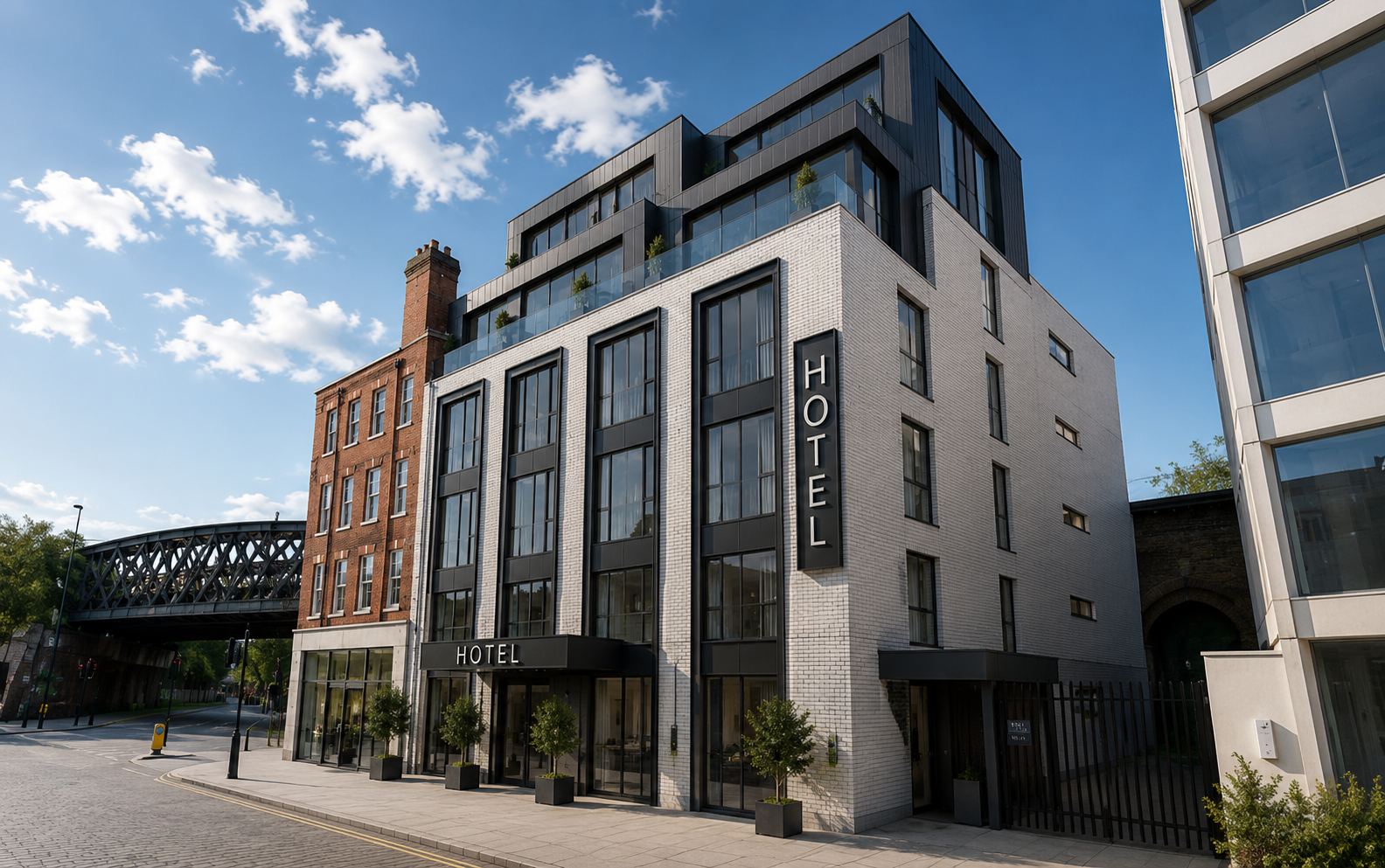
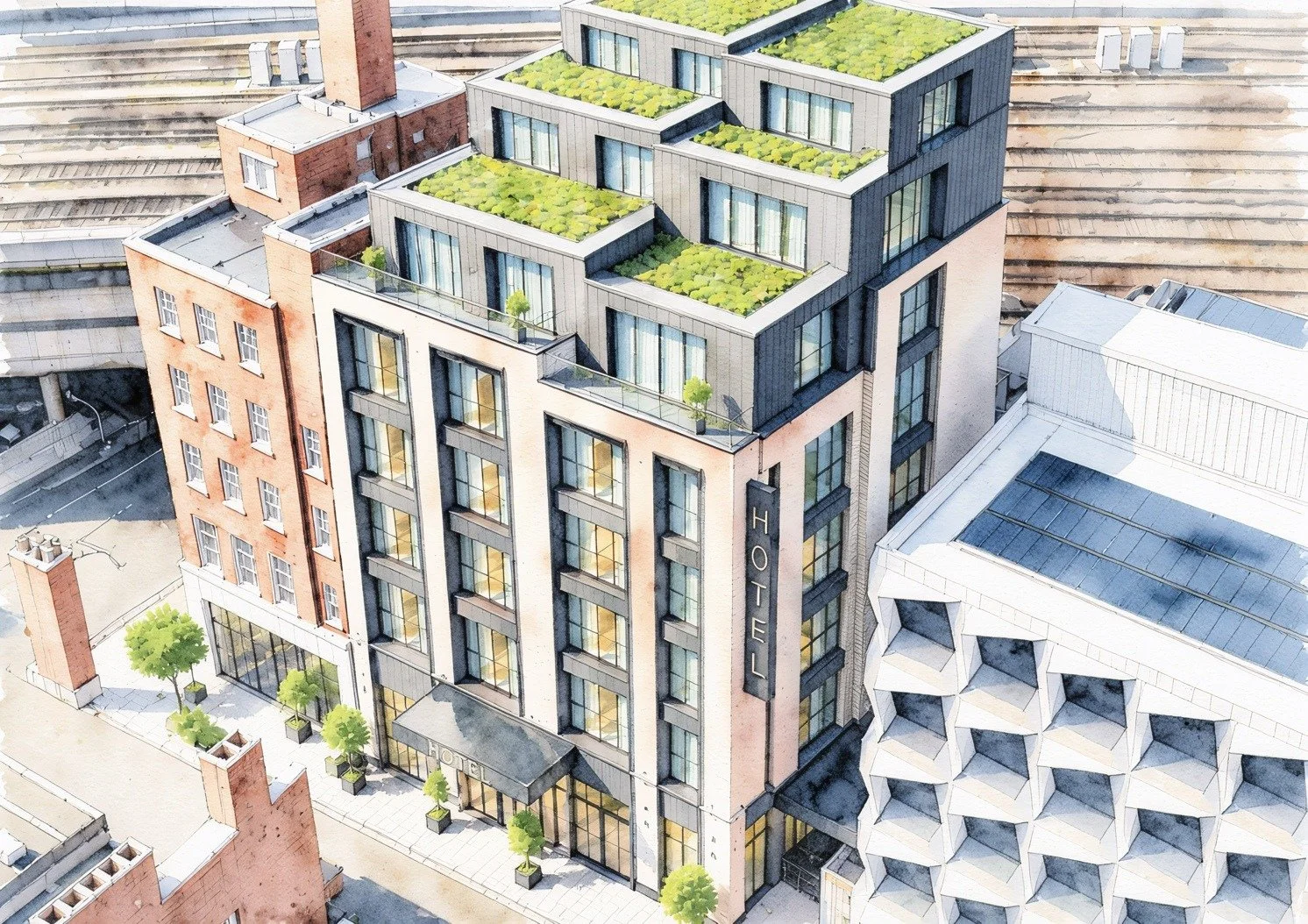
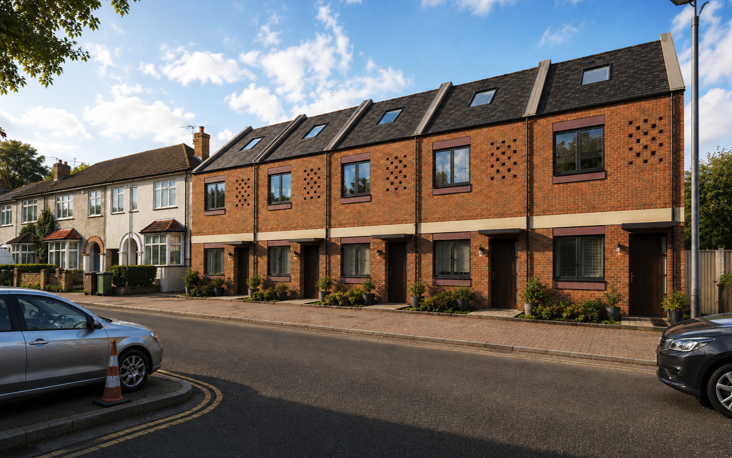
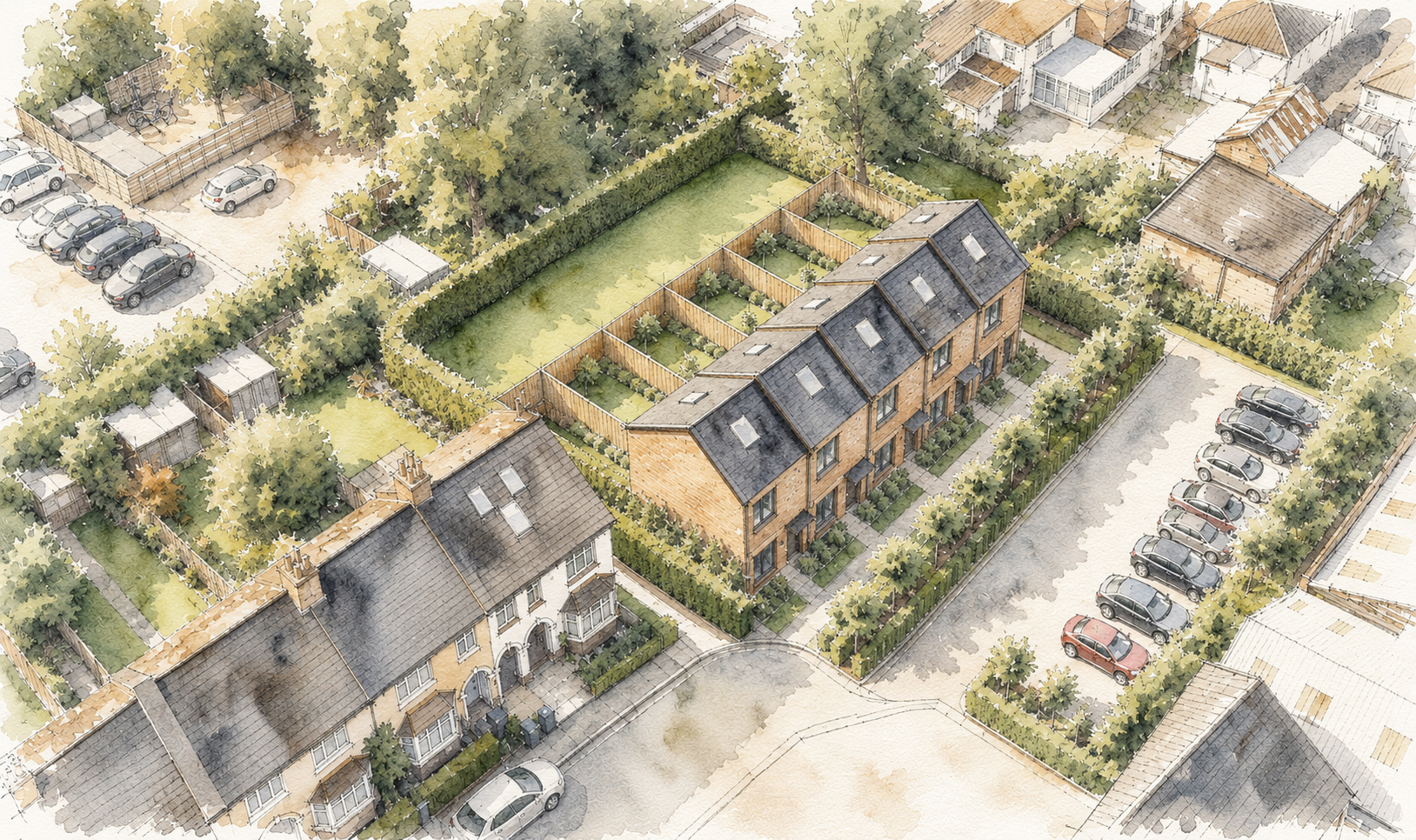
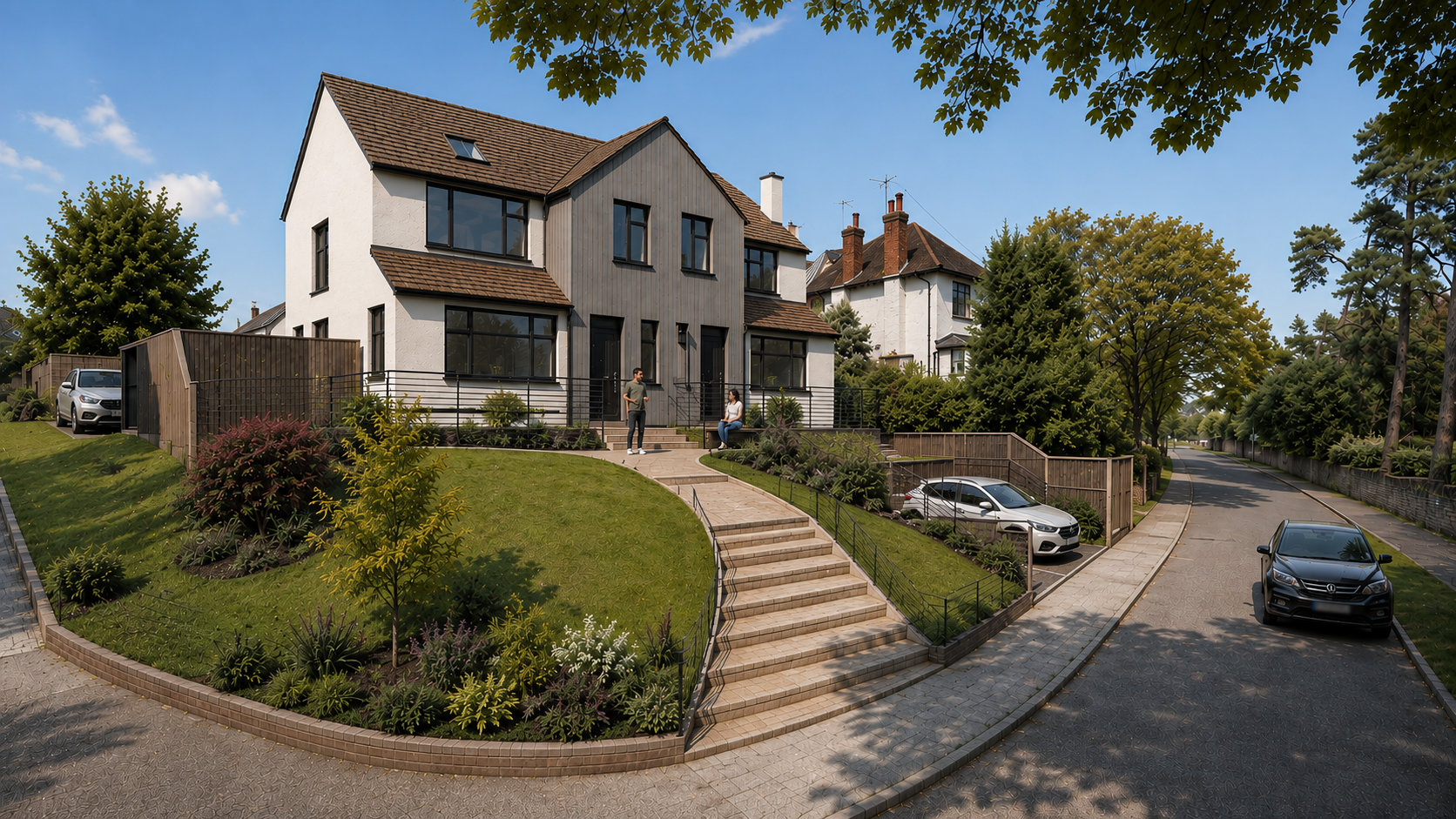
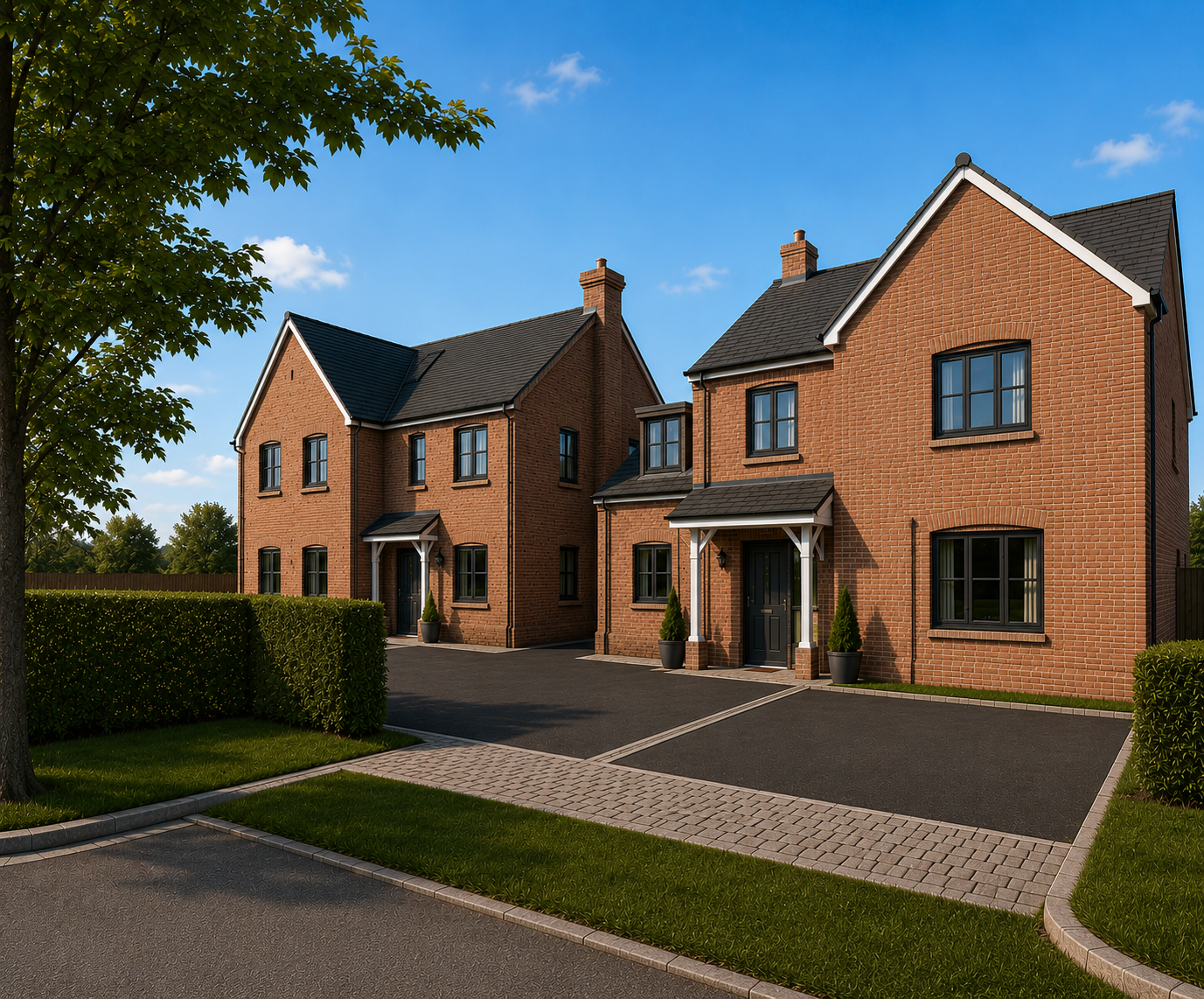
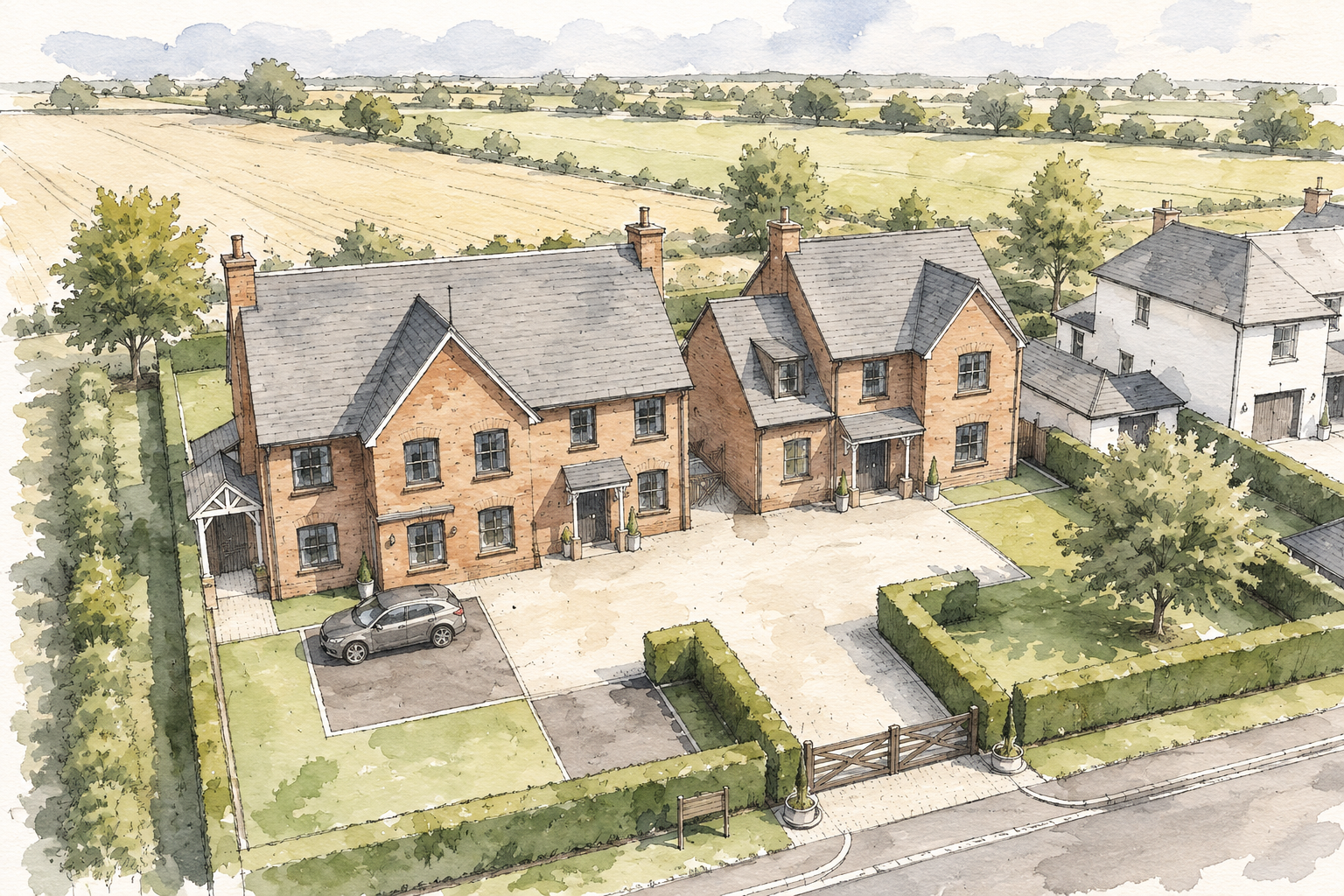
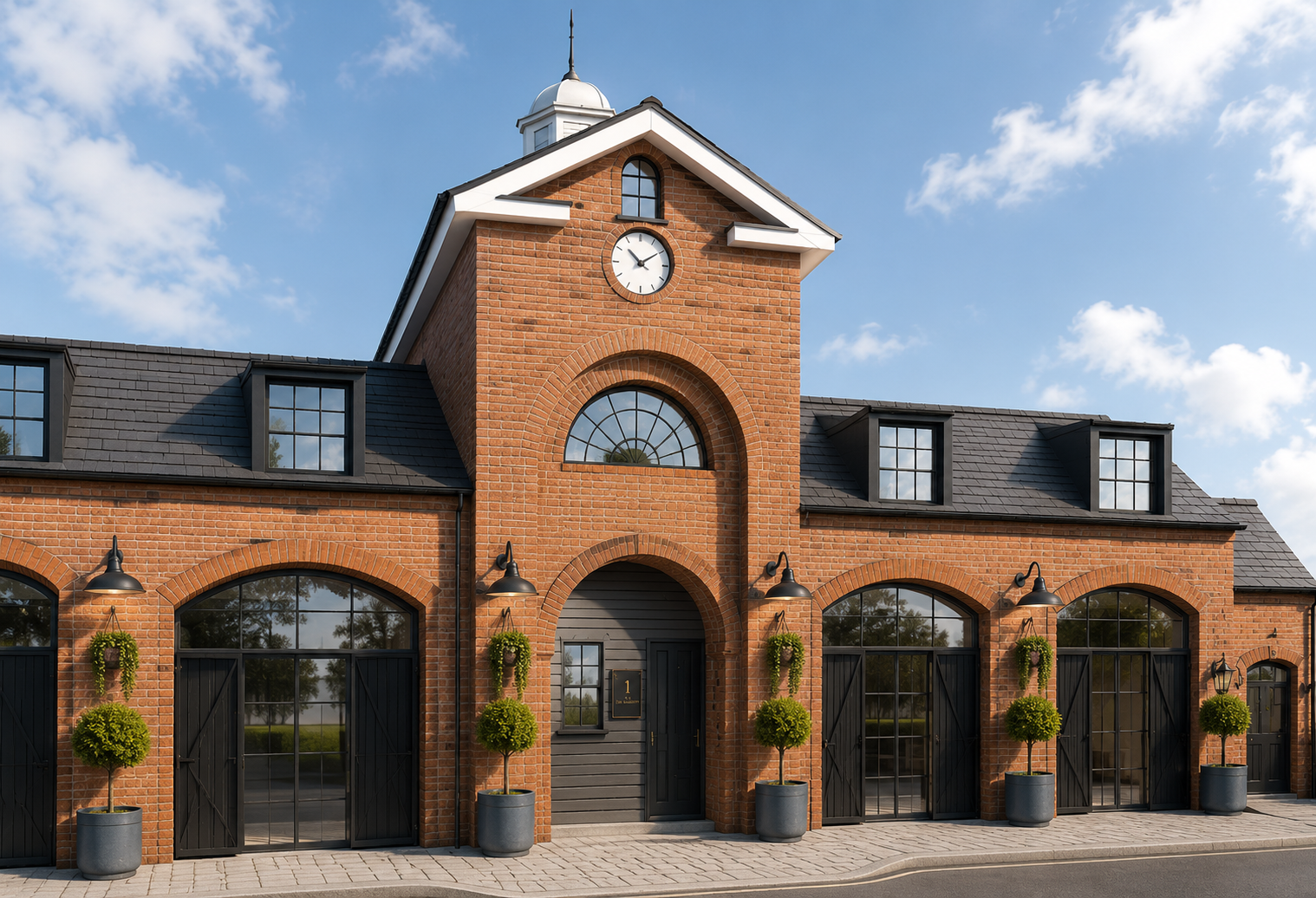
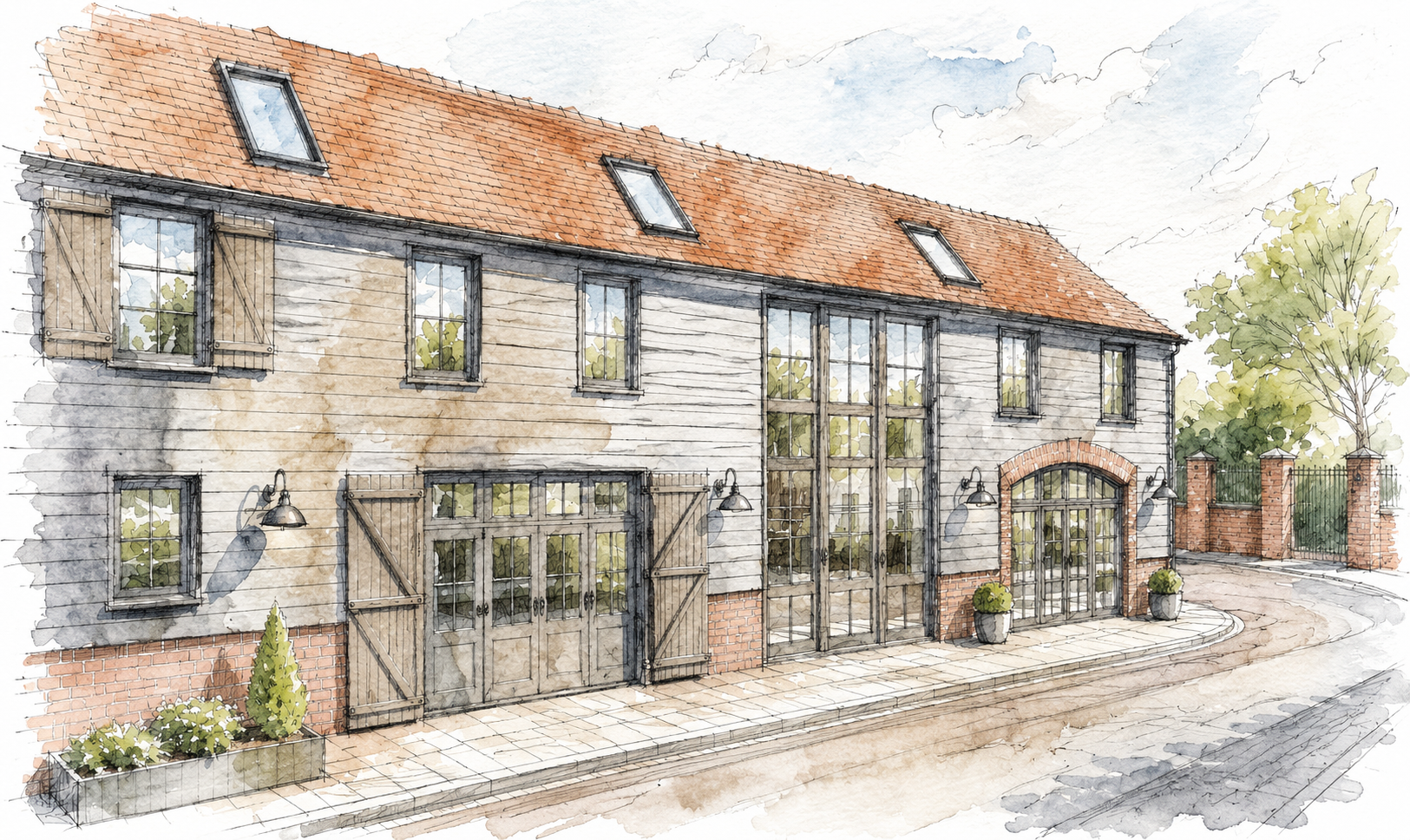
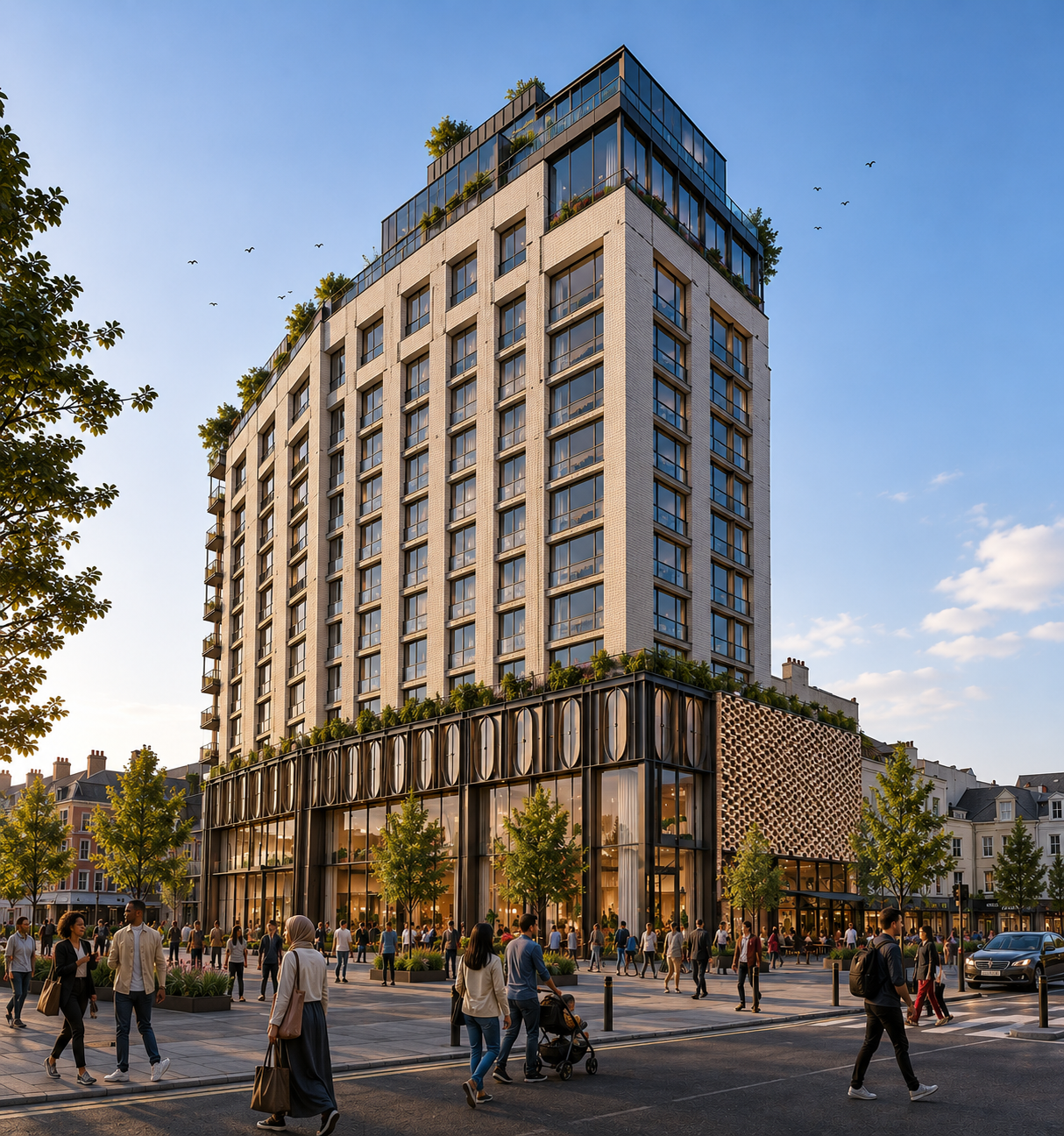
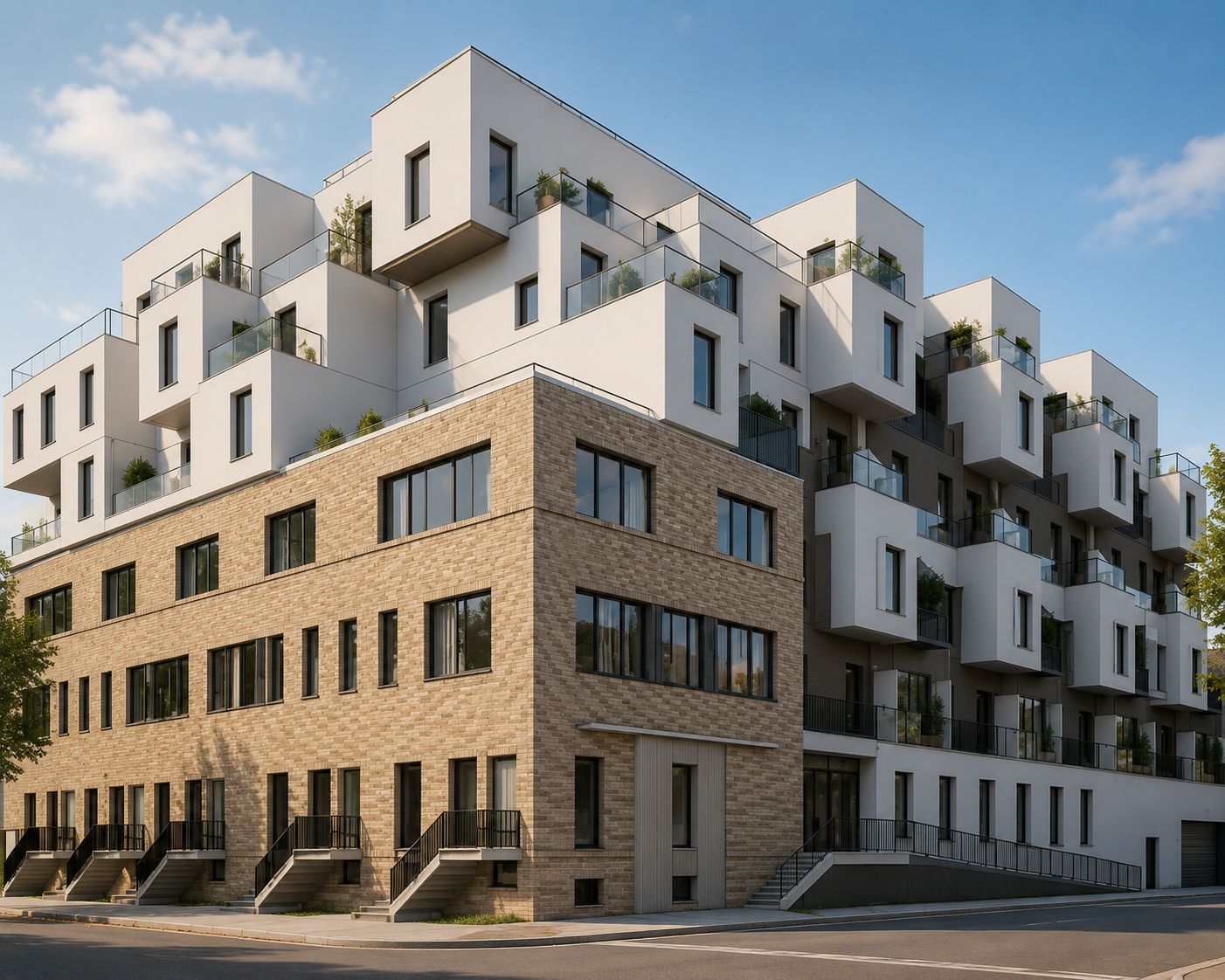
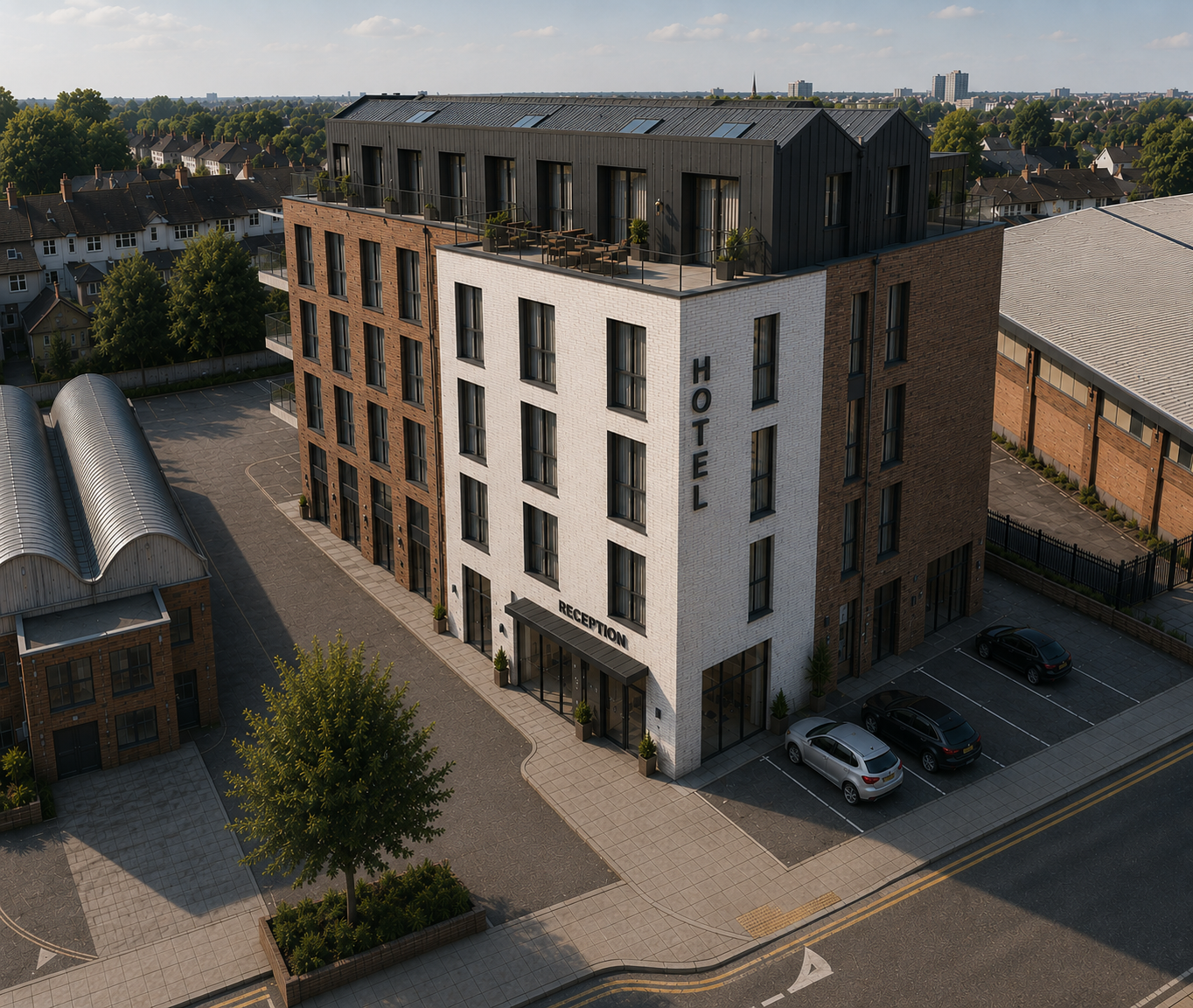
Some residential projects over the years…

Our core residential homeowner services

  • Planning permission is approval from your local authority to carry out certain building works. Whether you need it depends on many rules set out by the government, and it’s not as simple as assuming a small extension falls under Permitted Development. Factors such as the type and size of the extension, its impact on the garden, its distance from boundaries, potential overlooking issues, the volume added, and local restrictions (like Article 4 or conservation areas) all influence the requirements.

    While some projects qualify under Permitted Development, it's recommended to obtain a Certificate of Lawfulness to confirm this. Planning applications typically require architectural drawings and sometimes additional documents like Design & Access or Heritage Statements. For commercial premises, Change of Use applications may be needed. Once granted, planning permission is valid for three years.

    Planning applications are public, allowing neighbours to comment or object. Councils may also have their own local plans and constraints, especially in areas of natural beauty or conservation areas. Clients are encouraged to review their council’s planning website and recent local developments. The service offers free initial consultations and support with all kinds of planning applications.

  • Anyone carrying out building work must ensure it complies with building regulations and any planning constraints. If you hire a builder, they typically take responsibility, but this should be confirmed in a written contract. Ultimately, property owners can still face enforcement notices if regulations are not met.

    After planning approval, detailed drawings are required to meet Building Control standards. Even projects that do not need planning permission—such as internal structural changes—still require building control approval. Most building work falls under the regulations unless specifically exempt. Examples include constructing or extending a building, installing controlled services, structural alterations, cavity wall insulation, underpinning, and work affecting energy performance.

    Before starting work, you should check Regulation 3 of the Building Regulations or seek expert advice.

    Building Control Applications

    There are two routes:

    • Full Plans Submission (recommended): Detailed drawings are reviewed and conditionally approved by a Building Control Officer (BCO), who then inspects the site during construction. This route provides clarity, reduces ambiguity, and is helpful for loans or insurance.

    • Building Notice: Faster, with no detailed plans submitted upfront. BCO inspects during construction. Suitable for simple projects but offers less pre-approval certainty.

    Fees for both routes are similar and set by the council.

    How the service helps

    They prepare full building regulations drawings—including foundations, roof details, elevations, sections, and structural steel layouts—and handle submissions to Building Control. These drawings help ensure compliance and allow builders to provide accurate quotes, reducing the risk of unexpected costs later.

  • Single-storey extensions are among the most common and straightforward ways to add living space, suitable for all property types—including bungalows, detached and semi-detached houses, terraced homes, and ground-floor flats. Popular options include rear extensions, kitchen extensions, wrap-around extensions, front porches, and accessible extensions.

    Each project is tailored to the client’s lifestyle and needs, whether creating open-plan spaces, adding utility rooms, making room for a home office, or improving accessibility. Design choices are guided by both function and budget.

    The practice has delivered several successful single-storey extensions across London and surrounding counties, offering full services from planning and permitted development applications to building regulations drawings and support with construction partners. Clients are encouraged to browse past projects for inspiration.

  • A double-storey extension provides extra space on both the ground and first floors, offering significant improvements to daily living and adding substantial property value. Each project is highly individual, requiring careful architectural consideration—especially regarding roof design, neighbour privacy, light impact, and planning constraints. Rear and side double-storey extensions must be designed sensitively to avoid overlooking or overshadowing neighbouring homes.

    The practice has extensive experience designing and securing approval for double-storey extensions across London and surrounding counties. They provide a complete service, from planning or permitted development applications to building regulations drawings and support in finding suitable construction partners. Homeowners can explore previous double-storey projects for ideas and inspiration.

  • Many homeowners need additional space across multiple floors—ground, first, loft, or even a second floor—and sometimes choose to convert a garage into a living area, utility room, or home office. As families grow or adapt to more home-based work, creating extra living space and additional bedrooms can greatly improve lifestyle and increase property value.

    Every extension project is unique. Designs vary significantly depending on the property and must consider factors like roof design, neighbour privacy, impact on light, and how the extension blends with the existing house. Larger or multi-storey extensions require careful planning to avoid overlooking neighbours, while garage conversions may involve changes to the front façade. Because of this complexity, working with a professional architect is highly beneficial.

    The practice has extensive experience designing a wide range of extensions and securing council approvals across London and surrounding counties. They offer complete services—from planning or permitted development applications to building regulations drawings and assistance with construction partners. Homeowners are encouraged to browse past multi-extension projects for inspiration.

  • Outbuildings have grown in popularity as lifestyles evolve, serving a wide range of purposes—from simple sheds and garden rooms to home offices and annexes. Each project is unique, shaped by the individual needs of the household. Some outbuildings qualify under permitted development, while others require full planning permission, especially when height, size, or intended use (such as overnight accommodation) is involved. Outbuildings designed for sleeping are typically classed as annexes and always require planning approval.

    The practice has extensive experience delivering a variety of outbuildings and annexes across London and surrounding counties. They provide full services, including planning or permitted development applications, building regulations drawings, and support in finding suitable construction partners. Clients can explore completed projects for inspiration when planning their own.

  • A garage conversion is a cost-effective way to create valuable living space, especially when the garage is mainly used for storage. It can be transformed into a home office, larger kitchen with utility, front room, playroom, gym, or even an annex. One major benefit is that it adds ground-floor space without reducing garden area.

    Every conversion is different. Some garage conversions fall under permitted development, while others require planning permission, but all must comply with building regulations. Requirements vary depending on existing foundations, wall construction, and future plans—such as adding a second storey later. Because conversions often involve reconfiguring the ground floor layout, professional architectural guidance is highly beneficial.

    The practice has extensive experience delivering garage conversions across London and surrounding counties. Services include planning or permitted development applications, building regulations drawings, and support in finding suitable construction partners. Clients can explore previous garage conversion projects for inspiration.

  • The practice offers full measured building surveys, either as part of their own projects or as a standalone service. Typical surveys include floor and elevation measurements, with roof plans, loft-related measurements, and ceiling plans added when required for more complex residential or commercial projects.

    A full measured survey can provide:

    • 2D/3D floor plans and elevations

    • “As existing” drawings for planning applications

    • Site plans

    • Roof plans and cross-sections

    • Ceiling plans

    • Additional measurements needed for construction or planning

    They can also create 3D renders of the building following a complete measurement survey.

  • If you want to change the use of a property, you may need planning permission from your local council. In some cases, if the new use falls within the same use class, a formal change-of-use application may not be required. AK Studios Architects assists tenants and landlords with all types of change-of-use projects—such as converting shops to bars, houses to offices or flats, or opening new restaurants or takeaways—along with related drawings, design, and planning applications.

    Additional permissions may also be needed for shopfront changes like awnings or signage, and building regulations can apply depending on the proposal. The use class system was simplified in September 2020, and further details can be found on the Planning Portal.

  • A dropped kerb is a lowered section of pavement that allows vehicles to safely cross from the road to a driveway. It is legally required for vehicle access to a property.

    If you live on a public road, installing a dropped kerb requires permission from your County Council, which ensures it does not pose risks to road users or damage the pavement. Depending on the location, you may also need planning permission from your local council, especially if your property is on a classified road (A, B, or C). Approval typically requires sufficient driveway space to park a vehicle safely.

Some common house extension types

single storey rear extension

double storey rear extension

single storey side extension

front porch

loft conversion with dormer

Hear it from our happy clients.

Hear it from our happy clients.

  • "Working with Archisan has been a seamless and rewarding experience. Their clear vision, attention to detail, and commitment to quality made collaboration easy and productive. As an everyday homeowner, I truly appreciate their respect for design integrity and their ability to bring projects to life with excellence."

    John Symmonds

  • "Appointing Archisan on my project has been a highly positive experience. Their professionalism, transparency, and strong execution capabilities played a key role in the project's success. A truly dependable and forward-thinking studio."

    Vera Qureshi

  • "Approaching Archisan was the best decision I made for my residential project. They were transparent, respectful, and delivered exactly what they promised. Their professionalism gave me confidence every step of the way."

    Mark Fields

Do you want to discuss a project? Let’s talk.

info@archisan.uk
Tel: (0330) 133 8456
Mob: (0794) 467 2964

(social media handles coming soon)

Councils we have worked with